



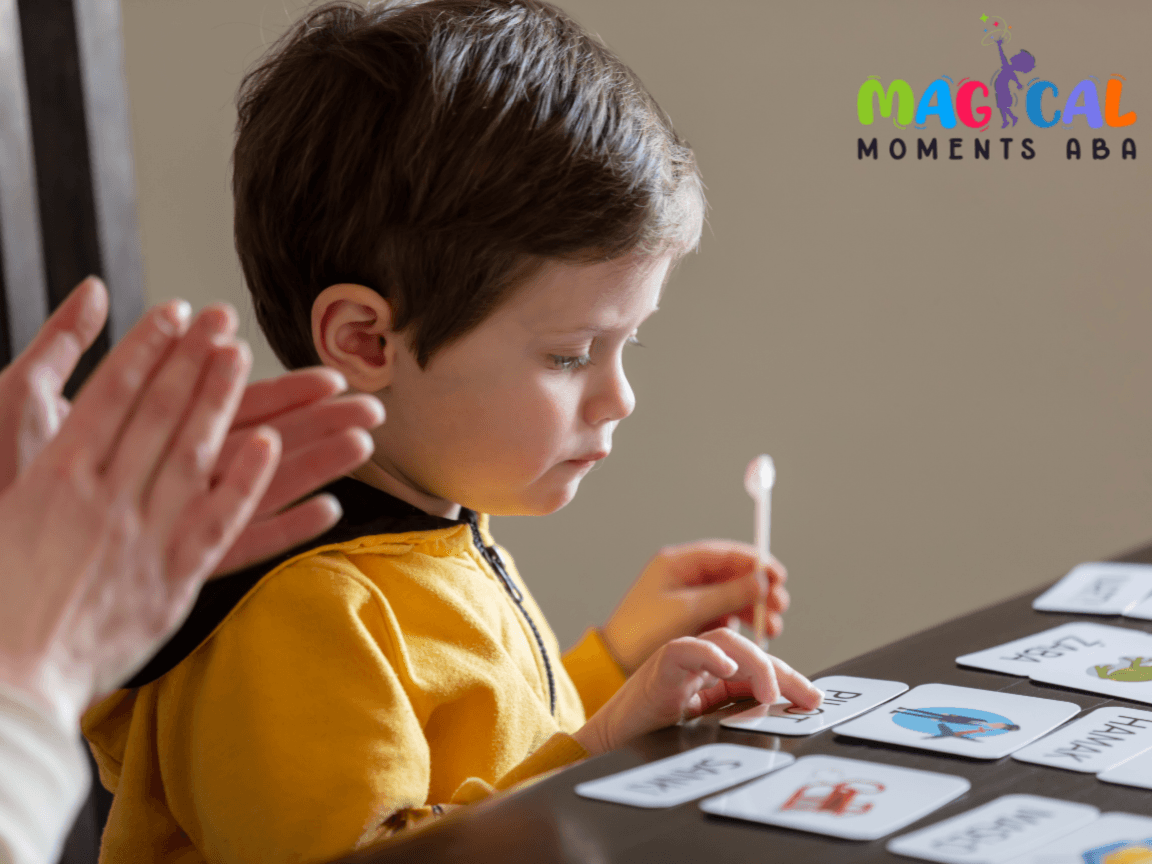
When it comes to choosing the best therapy options for children with autism, many parents face the decision between in-home and center-based therapy. If you’re wondering whether in-home ABA (Applied Behavior Analysis) therapy is the right fit for your child, you’re not alone. In this post, we’ll explore how you can find reliable therapy services, what makes it different from center-based therapy, and how to determine if it’s the best option for your child.
How to Find Reliable In-Home ABA Therapy Services in Your Area
Finding reliable in-home ABA therapy services near me can feel overwhelming, but it doesn’t have to be. Start by asking local pediatricians, school staff, or other parents who have navigated this journey for recommendations. For families in areas like Indianapolis or Marietta, check for service providers with strong reputations for personalized care, transparency, and experience in treating children with autism.
A good provider, like Magical Moments ABA, offers tailored treatment plans that are personalized to your child’s needs. Make sure the provider you choose is licensed, offers evidence-based practices, and provides regular updates on your child’s progress. You can also verify their credentials by checking online reviews, asking for references, or looking at their website for certifications.
What Makes In-Home ABA Therapy Different from Center-Based Therapy for Kids with Autism?
In-home ABA therapy offers several advantages over traditional center-based therapy, particularly in creating a familiar, comfortable environment for your child. While center-based therapy can provide a structured setting with specialized equipment, in-home therapy offers greater flexibility and integration into your child’s everyday life. Here are some key differences:
Benefits of In-Home ABA Therapy:
- Personalized Attention: One-on-one therapy in your home allows the therapist to focus entirely on your child’s needs.
- Real-Life Integration: Therapy can occur in a setting where your child is most comfortable, and it can be directly applied to real-life situations such as mealtime, playtime, and social interactions.
- Family Involvement: Parents and family members are encouraged to actively participate, fostering a collaborative environment for growth.
- Convenience: No need for transportation to a center, saving time and reducing stress.
Benefits of Center-Based Therapy:
- Specialized Equipment: Centers may have specialized resources and therapy tools that are difficult to replicate in the home.
- Social Interaction: Your child may benefit from interacting with other children in a structured environment.
While both types of therapy offer benefits, the flexibility and personalized care of in-home therapy make it a great choice for many families, especially those in neighborhoods like Marietta and Indianapolis, where families prefer the comfort of their own homes.
How to Know if Your Child is a Good Candidate for In-Home ABA Therapy
Not all children are ideal candidates for ABA therapy in-home, so it’s important to assess your child’s needs, routine, and environment. If you’re considering in-home therapy, here are a few questions to guide you:
- Does your child thrive in familiar settings? In-home therapy is ideal for children who feel more comfortable in their own environment, where they can engage in therapy without the added stress of unfamiliar surroundings.
- Is your child in need of flexible scheduling? If your child’s therapy needs to be integrated into their everyday routine, in-home therapy can offer the flexibility needed.
- Is family involvement important? In-home therapy allows family members to actively participate in sessions, helping reinforce learning and behavior changes.
For families in Indianapolis, Marietta, and other surrounding areas, In-home ABA therapist tailors its therapy services tothe unique needs of each child. They focus on building meaningful connections with both the child and the family, creating a nurturing, supportive environment.
Personal Story: How In-Home ABA Therapy Changed Jake’s Journey
Take the case of Jake, a young child in Indianapolis, whose parents were initially unsure whether in-home therapy would work for him. Jake had trouble adjusting to center-based therapy because he was anxious in new environments. After switching to in-home therapy with Magical Moments ABA, his parents noticed a significant difference. The therapist worked with Jake in the comfort of his own home, integrating therapy into his daily routines. The familiar surroundings allowed Jake to feel more at ease, and his progress accelerated. His parents felt empowered to be more involved in his therapy, reinforcing the techniques they learned at home.
About Magical Moments ABA
Magical Moments ABA provides high-quality, in-home ABA therapy for children with autism across Georgia, Indiana, and Virginia. Their team of compassionate professionals offers personalized care in a familiar, supportive environment that fosters meaningful progress. With over a decade of experience, their child-centered approach empowers both children and their families every step of the way.
Ready to Get Started?
If you’re in the Marietta, Indianapolis, or Virginia areas and you’re considering in-home ABA therapy, Magical Moments ABA is here to help. Their compassionate, personalized approach ensures your child receives the support they need in an environment that makes them feel comfortable. Ready for a free consultation? Contact us today!
FAQs: People Also Ask
What is the difference between ABA therapy and in-home ABA therapy?
ABA therapy is a therapeutic approach grounded in principles of learning and behavior. In-home ABA therapy takes place in your child’s home, allowing therapists to tailor interventions to real-life situations. Center-based ABA therapy, on the other hand, takes place in a clinic or office setting.
How effective is in-home ABA therapy?
In-home ABA therapy has proven to be highly effective, particularly for children who thrive in familiar environments. The personalized approach and one-on-one focus can lead to significant improvements in behavior, communication, and daily living skills.
How long will it take to see results from ABA therapy?
The timeline for seeing results can vary based on your child’s individual needs. Most families start seeing progress within a few weeks to months, especially when therapy is consistent and well-integrated into daily routines.