



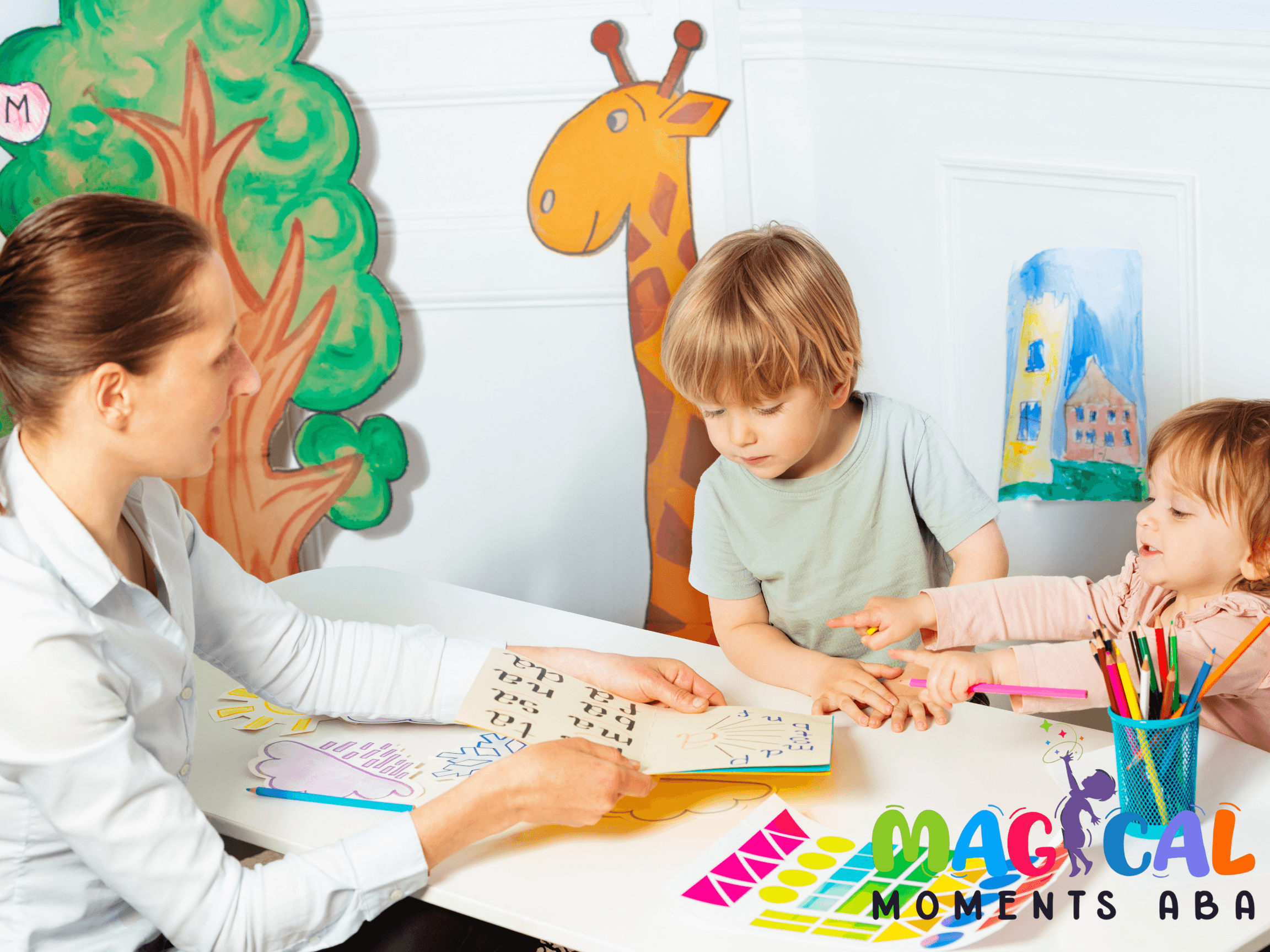
In-home Applied Behavior Analysis (ABA) therapy is a scientifically backed treatment approach for children with autism spectrum disorder (ASD). Unlike clinic-based sessions, in-home ABA therapy allows therapists to work with your child in the comfort of your own home. This personalized approach focuses on teaching important life skills while fostering positive behavior changes.
ABA therapy is rooted in understanding the connection between behavior and the environment. It emphasizes reinforcement and structured interventions to help children with autism develop key skills, including communication, social interaction, and daily living skills. Through consistent, tailored techniques, ABA aims to improve your child’s overall development, reduce undesirable behaviors, and promote independence.
In-home therapy offers the added benefit of a familiar, supportive environment. This can lead to less anxiety and greater engagement for your child during sessions. For parents, in-home ABA offers the convenience of therapy without travel and the flexibility to schedule sessions that fit your family’s routine.
How Can I Tell if In-Home ABA Therapy is Right for My Child?
Deciding if in-home ABA therapy is the right fit for your child depends on several factors. If your child has been diagnosed with autism or another developmental disorder and you’re seeking therapy that targets behavioral improvement and skill development, ABA is an excellent choice. The therapy’s individualized nature makes it adaptable to each child’s needs, especially beneficial for those with unique behavioral challenges.
Here are a few signs that in-home ABA therapy could be a good option for your family:
- Your child struggles with social skills, communication, or daily tasks.
- You prefer therapy in the home setting, which may be less stressful for your child.
- You want a structured, yet flexible therapy plan that adapts to your child’s development.
- You’re seeking a personalized, one-on-one approach to therapy.
In-home therapy can also be particularly helpful if your child feels overwhelmed in group settings or if you prefer to integrate learning opportunities into everyday situations. ABA therapists can work on developing skills while your child engages in their normal routine, whether it’s during mealtime, playtime, or while completing schoolwork.

What Are the Benefits of In-Home ABA Therapy?
ABA in-home therapy offers numerous benefits that can significantly impact your child’s development. Here are some key advantages:
- Personalized Care: Therapy sessions are tailored to your child’s unique needs and goals, ensuring focused attention and faster progress.
- Comfortable Environment: Children often feel more at ease at home, which can lead to better engagement and more effective learning.
- Increased Family Involvement: In-home therapy allows family members to be more actively involved in the therapeutic process, reinforcing the skills learned during sessions.
- Consistency in Learning: ABA therapy emphasizes consistency. In-home sessions allow therapists to integrate skills into your child’s natural environment, promoting lasting change.
- Flexibility: Parents can work with therapists to schedule sessions that fit their daily routine, making therapy more convenient and less disruptive.
In-home ABA therapy can bring real, lasting changes to your child’s development, improving communication skills and emotional regulation. By creating a safe, supportive environment, you will give your child the tools they need to thrive in daily life.
What Does a Typical In-Home ABA Therapy Session Look Like?
A typical ABA therapy in-home session involves structured activities designed to address your child’s specific needs. During the session, your therapist will use a variety of techniques, such as reinforcement, modeling, and role-playing to teach new skills or modify existing behaviors. The therapy is highly interactive and designed to keep your child engaged.
Here’s what you can expect during a session:
- Assessment: The therapist will assess your child’s progress and adjust the session plan based on their current needs.
- Skill Development: The therapist will work on improving specific skills, such as communication, social interaction, or problem-solving, through engaging activities.
- Behavioral Strategies: The therapist will implement strategies to manage challenging behaviors and reinforce positive behavior.
- Parent Collaboration: You will have the opportunity to work closely with the therapist to learn strategies to reinforce your child’s skills between sessions.
Sessions typically last between 1 and 2 hours, depending on your child’s attention span and individual needs. They may vary in frequency, from a few times a week to several times a week, depending on the therapy plan.
A Personal Story: How ABA Helped Liam from Meadowbrook
Liam, a young boy from the Meadowbrook neighborhood, struggled with communication and social interaction. His parents, worried about his development, decided to try in-home ABA therapy. Over several months, Liam’s ABA therapist worked with him on communication skills, social play, and learning routines. With consistent support in his familiar environment, Liam began making significant progress in his communication, and his social interactions became more positive. The best part? His parents were able to support his progress in everyday situations, such as family meals and playtime in their backyard in Meadowbrook.
Liam’s story is just one example of how in-home ABA therapy services near me can make a lasting impact on a child’s life, helping them achieve their full potential in a nurturing, personalized environment.
About Magical Moments ABA
At Magical Moments ABA, we are dedicated to providing personalized, compassionate ABA therapy to help children with autism thrive. Our approach integrates play with learning, creating a fun and engaging environment that makes therapy feel natural rather than clinical. With a focus on individualized care, we work closely with families to tailor therapy plans that foster growth, independence, and skill development. Our goal is to empower children, helping them reach important milestones in a supportive and nurturing environment.
Ready to Get Started? Contact Us Today!
If you’re ready to explore how in-home ABA therapy can make a difference in your child’s life, we’re here to help. Reach out to us for a consultation, and let’s discuss how we can provide the support your child needs to thrive. Ready for a free quote? Contact us today and take the first step toward a brighter future for your child.
FAQ: People Also Ask
What is the best age for in-home ABA therapy?
In-home ABA therapy is effective for children of all ages. While it is most commonly used for young children with autism, it can also benefit older children and adults who need behavioral support.
How long does it take to see results with ABA therapy?
The time it takes to see progress with ABA therapy varies depending on the child’s unique needs and the intensity of therapy. Most children begin to show improvements within a few months, but long-term success requires consistent, ongoing therapy.
Is in-home ABA therapy covered by insurance?
Many insurance plans, including Medicaid and private insurance, cover in-home ABA therapy. It’s best to check with your provider to confirm coverage.
How can I find a qualified in-home ABA therapist?
When looking for an in-home ABA therapist, ensure that they are board-certified and have experience working with children with autism. It’s also helpful to look for therapists who take a compassionate, child-centered approach, as described here.