



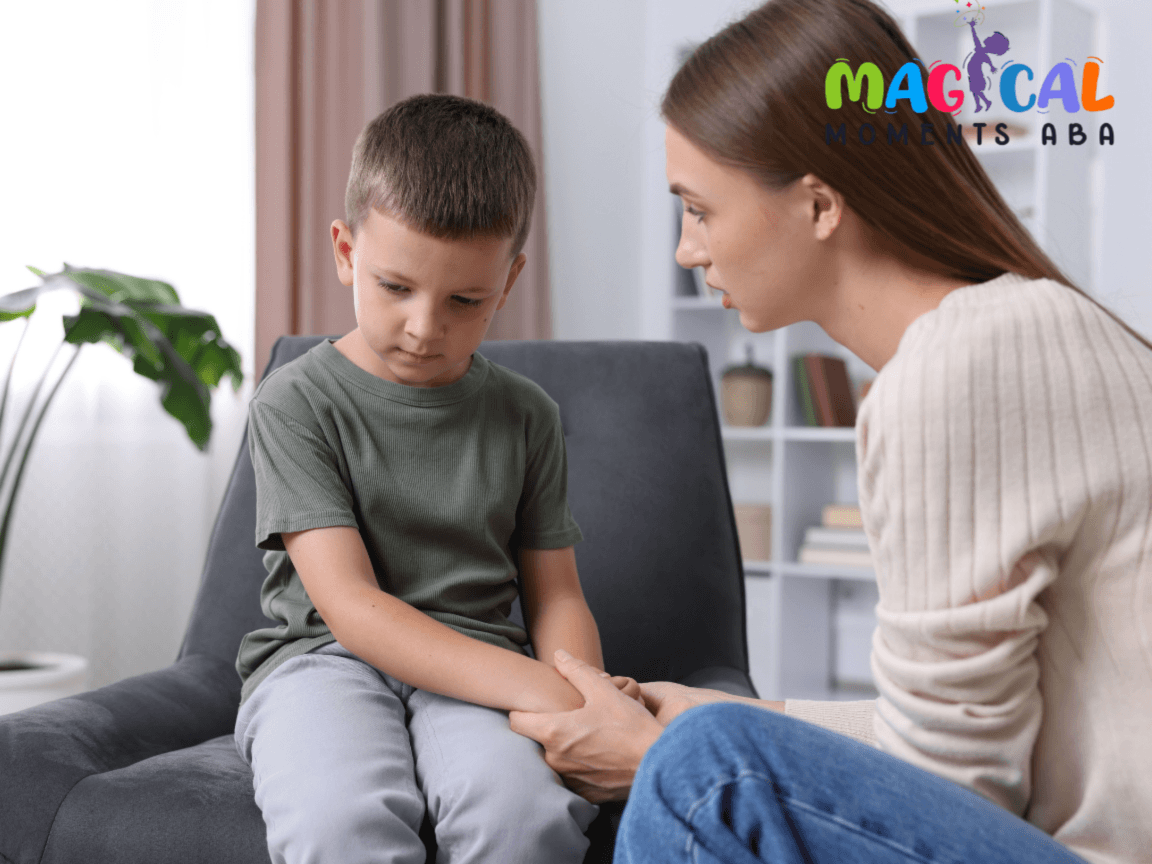
In-home Applied Behavior Analysis (ABA) therapy is an individualized, compassionate approach to helping children with autism. It works by analyzing a child’s behavior and applying evidence-based strategies to promote positive change. The therapy takes place in the child’s home, a setting where they feel safe and at ease, which helps them engage more fully in the learning process.
ABA therapy focuses on teaching a child functional skills, such as communication and social skills, while reducing problematic behaviors like aggression and self-harm. The therapist works one-on-one with the child, using techniques like positive reinforcement to encourage desirable behaviors. One of the key benefits of in-home therapy is that it integrates therapy into the child’s everyday environment, making it easier for both the child and family to see meaningful progress.
What Are the Benefits of In-Home ABA Therapy Versus Therapy at a Center?
ABA therapy In-home offers several benefits over center-based therapy. For children with autism, the home environment is often less overwhelming than an unfamiliar therapy center. When children are in a space where they feel secure, they are more likely to engage in therapy and show progress. Plus, in-home therapy allows children to practice skills in real-life situations, helping them generalize what they learn in therapy to daily activities.
Other benefits include:
- A Comfortable, Familiar Environment: In-home therapy allows children to stay in their comfort zone, which can reduce anxiety and improve engagement.
- Real-World Skill Application: The therapist works directly with the child during everyday routines, making it easier to transfer new skills into daily life.
- Flexible Scheduling: Therapy can be scheduled around the family’s routine, eliminating the need for travel and reducing scheduling conflicts.
- Increased Family Involvement: Parents and caregivers can actively participate in therapy and learn strategies to reinforce positive behavior at home.
Can In-Home ABA Therapy Help with Specific Behaviors Like Aggression or Self-Harm?
Absolutely. In-home ABA therapy is highly effective in addressing challenging behaviors like aggression and self-harm. These behaviors often arise from frustration, communication difficulties, or an inability to express emotions. Therapy helps by identifying the triggers for these behaviors and teaching children how to express themselves more appropriately.
A real-life example from our community highlights how in-home ABA therapy can make a difference. A child named Max, who had a history of hitting himself when upset, was able to reduce these behaviors through in-home therapy. His therapist worked with Max and his family to implement techniques like using a “feelings chart” to help Max communicate his emotions. Max’s family also learned how to reinforce positive behaviors throughout their daily routine. Within a few months, Max’s self-harm behaviors decreased significantly, and he became more adept at managing his emotions.
By addressing the root causes of aggression and self-harm, an in-home ABA therapist helps children develop more adaptive behaviors, giving them a better quality of life.
Why Choose In-Home ABA Therapy in the Neighborhood?
By choosing in-home therapy, families can provide their children with personalized care in a familiar, comfortable setting, which is essential for progress. The community values flexibility, and in-home therapy makes it easier to integrate therapeutic strategies into everyday life.
Therapists are dedicated to helping children develop essential skills while also providing the support and guidance needed for both parents and children to thrive. In-home ABA therapy services near me offer families a unique opportunity to build a strong partnership with their therapist, ensuring that their child’s therapy is effective and customized to their needs.
About Magical Moments ABA
At Magical Moments ABA, we are dedicated to helping children with autism thrive by offering compassionate, personalized ABA therapy right in the comfort of your home. Our team of certified therapists works closely with families to develop customized therapy plans that target specific behaviors, such as aggression and self-harm, while also fostering growth, independence, and confidence. We believe in providing flexible, community-based therapy options that fit seamlessly into your family’s daily life.
Ready to get started? Contact us today for a free consultation!
FAQ: People Also Ask
- How long does it take to see results from ABA therapy?
The timeline varies depending on the child’s unique needs and the intensity of the therapy. Some families may start to see improvements within a few months of consistent therapy. - Can ABA therapy help children with autism communicate better?
Yes, ABA therapy is very effective in teaching children communication skills. Whether it’s through verbal communication, sign language, or augmentative communication, ABA therapy helps children express themselves in a functional way. - How is in-home ABA therapy different from center-based therapy?
In-home therapy is more personalized because it takes place in the child’s natural environment. It offers greater flexibility, more comfortable settings, and the ability to practice new skills in real-life situations. - How do I get started with in-home ABA therapy?
Reach out to an ABA therapy provider for an initial consultation. After assessing your child’s needs, the therapist will develop a personalized treatment plan.